Preserved Gold Rush Town
Welcome to Columbia, the Gold Country town in Tuolumne County whose 1850s streetscape is preserved as Columbia State Historic Park, set in the Sierra Nevada foothills near Sonora and Yosemite.
Columbia is an unincorporated community in Tuolumne County, California, set in the oak-dotted foothills of the Sierra Nevada along the Mother Lode, the gold-bearing belt that drew fortune seekers in the mid-nineteenth century. Founded during the Gold Rush around 1850, it boomed as a mining town before declining as the easy gold played out. Today it is best known as the site of Columbia State Historic Park, which preserves one of the most complete nineteenth-century Gold Rush streetscapes in the West and holds the largest single collection of surviving gold rush-era structures in California. The historic district is the heart of the community. Visitors walk wooden sidewalks past restored brick and frame buildings, pan for gold, ride a stagecoach, and talk with costumed interpreters, while shops, a bakery, and historic hotels operate out of the original structures. Annual living-history events, including recreations of an 1850s mining camp, bring the town's past to life. Surrounding the park, the broader Columbia area includes residential neighborhoods and Columbia College, a community college in the Yosemite Community College District whose campus sits just outside the historic core. Daily life in Columbia is quiet and closely tied to its setting. The community lies along State Route 49, the Mother Lode Highway, a few miles northwest of the county seat of Sonora, and residents can reach the shops, schools, and medical services of Sonora within minutes. Tuolumne County Transit provides bus service through the area. To the east, the Stanislaus National Forest and the high Sierra rise toward Yosemite National Park, while New Melones Lake and the Gold Country's wineries and river recreation lie close by. Public education is provided by the small Columbia Union School District, which operates Columbia Elementary; high school students attend the Sonora High School District. The community suits people drawn to Sierra foothill living, Gold Rush history, and a rural, tourism-flavored small-town atmosphere within reach of Sonora and the mountains. With roughly 2,700 residents, Columbia is as much a living museum as a modern community, and that dual identity is precisely its appeal.
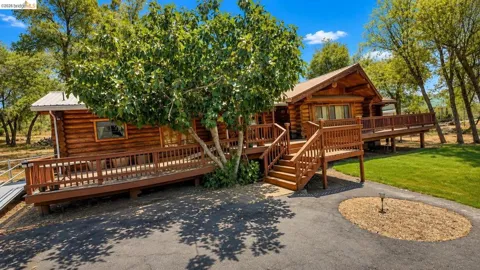
Columbia is an unincorporated community in Tuolumne County, California, in the Sierra Nevada foothills of the Gold Country. It lies along State Route 49, a few miles northwest of the county seat of Sonora.
Columbia is not an incorporated city. It is a census-designated place and unincorporated community in Tuolumne County, much of which is preserved as Columbia State Historic Park rather than governed as a municipality.
Columbia is known as one of California's best-preserved Gold Rush towns. Columbia State Historic Park holds the largest collection of surviving gold rush-era buildings in the state, along with stagecoach rides, gold panning, and living-history events.
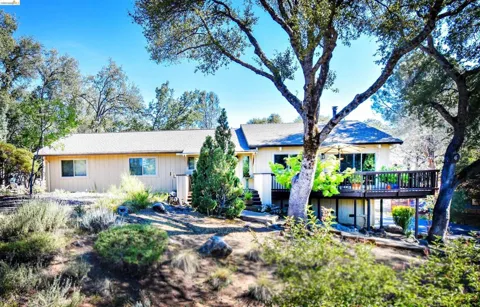
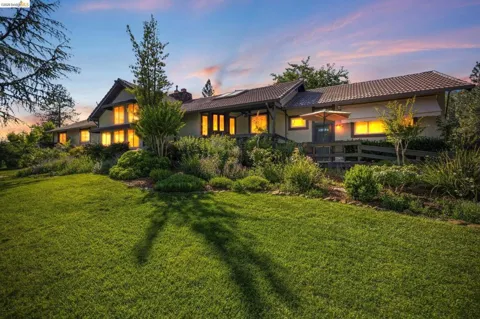
Columbia is about five miles northwest of Sonora along State Route 49. Yosemite National Park is roughly an hour and a half away via Highway 120, and the San Francisco Bay Area is about two to three hours by car.
Columbia Elementary, operated by the small Columbia Union School District, serves local students in grades K-8. High school students attend the Sonora High School District, and Columbia College, a community college, has its campus nearby.
In Columbia, visitors can pan for gold, ride a stagecoach, walk wooden sidewalks past restored Gold Rush buildings, and shop or dine in period-era structures. Living-history events recreate the town's 1850s mining-camp past throughout the year.
City Guide
Columbia's housing stock is modest and varied, reflecting a community that is partly a preserved historic district and partly a modern Sierra foothill town. Residential streets around the state park hold a mix of older cottages, mid-century homes, and newer foothill construction, often on larger, tree-covered lots that climb the surrounding hills. Some period-era homes and converted buildings near the historic core carry particular character, while rural parcels and acreage with oak woodlands are common in the surrounding Tuolumne County countryside. The community's small scale and its location between Sonora and the high country give it a settled, semi-rural feel.
Columbia is small and unincorporated, so its neighborhoods are defined by location rather than formal subdivisions. The historic district, centered on the preserved Main Street of Columbia State Historic Park, holds the town's restored Gold Rush buildings and the shops and inns that operate within them. Just beyond the park, residential streets and hillside parcels fan out toward Columbia College's campus and the surrounding oak woodlands. Many residents live on larger lots in the countryside around the community, where the Sierra foothills begin to rise. Nearby Sonora and Jamestown provide additional housing and commercial options within a short drive.
Life in Columbia carries a distinct historical flavor. The day-to-day rhythm of the community is interwoven with the state historic park, whose events, stagecoach rides, and costumed interpreters keep Gold Rush traditions present, and whose restaurants, bakery, and shops serve both visitors and locals. Beyond the park, residents share the rural lifestyle of the Mother Lode — wine tasting, river recreation, and mountain access are all nearby. Sonora, a few miles east, supplies the practical necessities, while the area's Gold Rush heritage and its string of historic foothill towns give the region a cohesive identity rooted in California's founding story.
Public education in Columbia is provided by the Columbia Union School District, which operates Columbia Elementary, a small K-8 school. For high school, Columbia students attend schools in the Sonora High School District, the regional secondary district based in the county seat. Columbia College, a community college in the Yosemite Community College District, has its campus just outside the historic area and offers associate degrees, career programs, and transfer pathways, adding an educational presence to the community. The county's other small districts and nearby Sonora's schools round out the local options.
Columbia sits along State Route 49, the Mother Lode Highway, which links the Gold Country's historic towns through the Sierra foothills. The county seat of Sonora lies a few miles to the southeast along the highway, and State Routes 108 and 120 connect the region westward toward the Central Valley and the Bay Area and eastward toward the high Sierra and Yosemite National Park. Tuolumne County Transit operates bus routes radiating from Sonora that serve Columbia and the surrounding communities. There is no passenger rail in the county, so residents and visitors rely on cars, with the Bay Area roughly two to three hours away by road.
Recreation in Columbia is anchored by Columbia State Historic Park, where visitors can pan for gold, ride a stagecoach, tour restored Gold Rush buildings, and attend living-history events. The surrounding Mother Lode offers river recreation, caving, and hiking, while the Stanislaus National Forest and the Emigrant Wilderness rise to the east. New Melones Lake, a large reservoir nearby, provides boating, fishing, and swimming, and Yosemite National Park is within a drive of about an hour and a half via Highway 120. The region's wineries, historic towns, and foothill trails round out the outdoor and cultural options.
MARKET SNAPSHOT
How homes have been selling here over the last 90 days.
Market data reflects closed sales over the last 90 days and is provided for informational purposes.
For sale
Handpicked properties hitting the scene in your area.
For sale
Handpicked properties hitting the scene in your area.
For sale
Handpicked properties hitting the scene in your area.
BROWSE BY ZIP
Browse listings by postal code in this area.
200 South Pacific Coast Hwy Redondo Beach, CA 90277 CA, Redondo Beach 90277